How to Cold Plunge Without the Panic
September 19, 20265 min readCold Plunge, Science
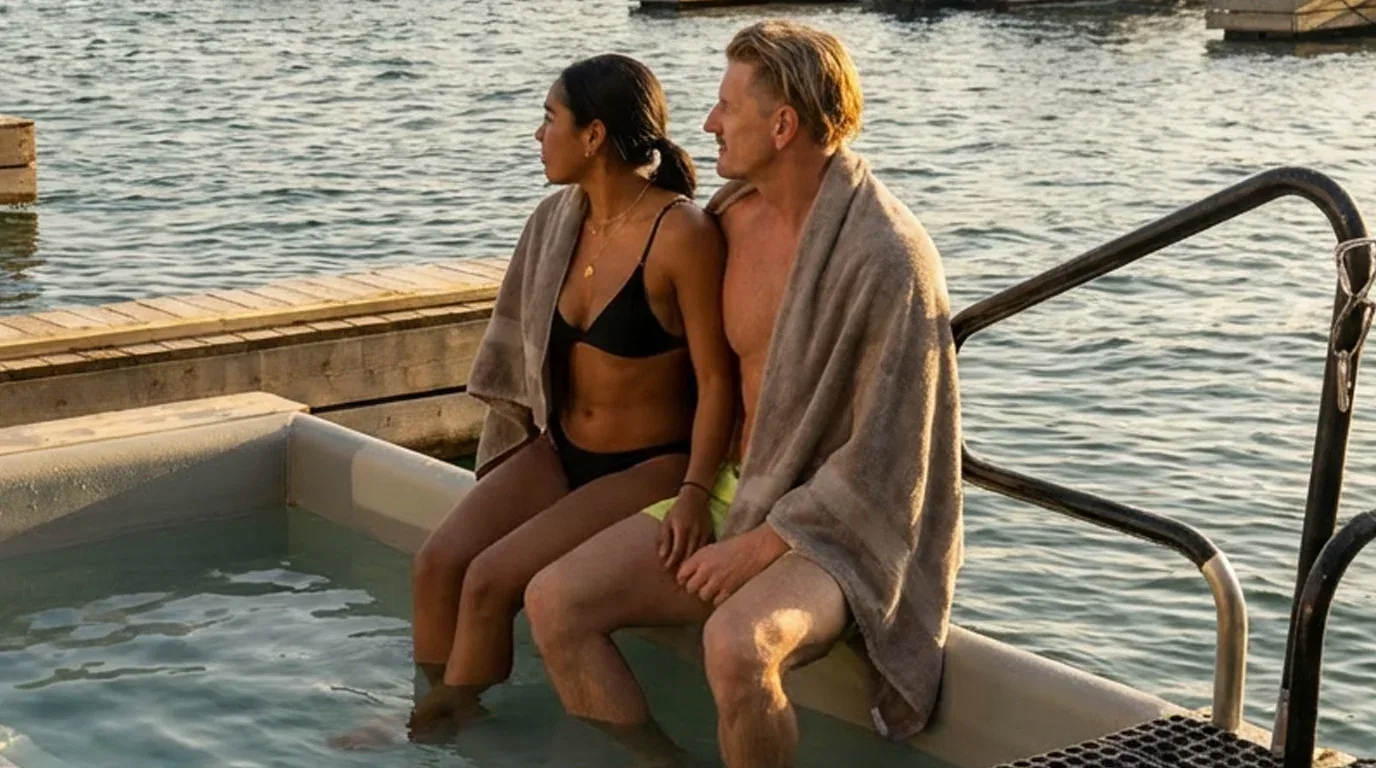
Everyone talks about the cold plunge afterwards and almost everyone dreads it beforehand. The gap between those two things comes down to not knowing what is about to happen to you. The first thirty seconds are dramatic, and most of what makes them hard is surprise. So here is what is coming, how cold the water needs to be, how long to stay, and the breathing that carries you through the worst of it.
How Cold is Cold?
Most plunges sit somewhere between 2 and 10 °C. Anywhere in that range will do what you came for.
Colder water is not better water. A plunge at 10 °C you can stay in for ninety seconds does more for you than a plunge at 2 °C you bail out of after five, because the adaptation comes from staying long enough for your breathing to settle. The number on the thermometer is not the thing doing the work. People get competitive about this and it misses the point entirely.
If you are plunging in open water, the temperature is whatever the season has decided. The Ottawa River in October runs in the single digits, which is plenty.
How Long to Stay In
Thirty seconds is a good first target. Build towards one to two minutes as you get used to it.
You will see eleven minutes a week quoted as a total across all your plunges, a figure that comes from cold exposure research repeated widely enough to become the default recommendation. Two or three minutes at a time, a few times a week, gets you there without any heroics.
Past about three minutes you are not gaining much, and you are increasing the odds of getting cold in a way that takes a long time to undo. Getting out while you still feel good is a skill worth having.
The Breathing is Most of the Battle
When cold water hits your skin, your body answers with something called the cold shock response. You gasp involuntarily, your breathing goes fast and shallow, and your heart rate spikes. It feels alarming because it is designed to, and it passes in roughly thirty seconds.
Knowing that in advance genuinely changes the experience. Instead of wondering whether something is going wrong, you can recognise what is happening and wait it out.
Four things help, and they are all simple.
Breathe out slowly as you get in, rather than holding your breath or gasping at the shock. Keep your shoulders down, because they will want to climb towards your ears and that tension makes everything feel worse. Aim for longer exhales than inhales, something like four counts in and six out, which gives your nervous system a signal it recognises. And stay reasonably still, since thrashing around pushes away the thin layer of warmer water sitting against your skin.
Once your breathing settles, the cold stops feeling like an emergency and becomes something you can sit inside.
Going From Hot to Cold
After ten or fifteen minutes at 85 to 95 °C, the plunge feels quite different than it would on its own. Your skin is hot, so the first contact is sharp but brief, and your body handles the swing better than you would expect from how it sounds on paper.
Walk, do not run. Wet decks and adrenaline are a poor combination, and nobody looks graceful sprinting towards cold water.
Go in to your shoulders if you can. Hands and feet feel the cold most sharply, and some people keep them out on a first attempt. There is nothing wrong with that version.
The Part Everyone Skips
Sit down afterwards and give it five or ten minutes before you go back into the heat.
You will feel your body reheating from somewhere deep in your chest, a specific and slightly strange sensation that is hard to describe until you have had it. That reheating is a real part of what you came for, and rushing straight back into the sauna cuts it short.
Then go again, if you want to. Our sessions run 90 minutes, which is enough room for three rounds of heat, cold and rest without anyone watching the clock for you.
Why it Feels so Good Afterwards
The lift people describe after a plunge has a fairly mechanical explanation. Cold water triggers a sharp rise in noradrenaline and dopamine, which is why you come out alert and mildly euphoric rather than simply relieved. That elevation hangs around for a couple of hours in most people.
There is also the more ordinary explanation, which is that you spent two minutes unable to think about your inbox. Whatever was occupying your head before you got in has to wait, because the cold takes up all the available space. Coming back to it afterwards, things tend to feel a bit smaller than they did.
When to Give it a Miss
Cold exposure puts genuine strain on your heart and blood vessels. If you are pregnant, have a heart condition, high or low blood pressure, or a breathing condition, talk to a doctor before you start rather than after.
Never plunge alone in open water, and never after drinking. Both of those rules exist because of specific, avoidable accidents.
Where to Try It
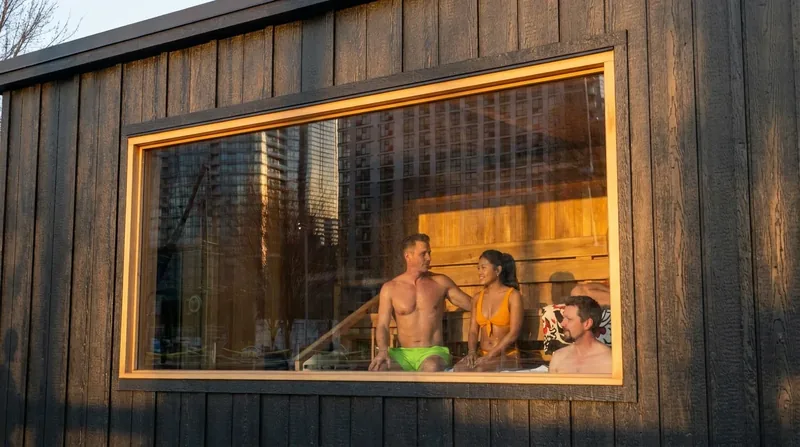
Our Ottawa sauna floats on the river itself, with an enclosed plunge off the deck and open water access for anyone who wants it. No showers on site, so the river handles the rinse. It opens in October.
Toronto is on the harbourfront at 275 Queen’s Quay West, with a cold plunge tub on the deck and cold showers on site, opening in November.
Bring a swimsuit and two towels. A single session is $45, and new guests can try three for $99, which is roughly how long it takes for the plunge to stop being the part you dread.
New guests only
3 Sessions for $99
Use all three yourself, or bring a guest along. The easiest way to find out whether heat and cold are for you.
$135
You save $36
Get the Offer